PART 2 — THE CREDENTIALS THEY NEVER EXPECTED
Preston’s expression hardened the morning he handed me the divorce papers.
“You scheduled dinners and remembered birthdays,” he said. “Don’t turn that into a career.”
I looked down at the petition again, studying the cold language beneath his attorney’s letterhead.
No meaningful contribution by the respondent.
No claim to business assets.
Seven years of marriage reduced to a few lines designed to make me look ornamental.
“And Hale Dynamics?” I asked.
Preston slipped his phone into his pocket. “My company.”
“I helped you build it.”
“You helped me organize things.”
“I reviewed contracts.”
“You read them.”
“I identified problems before you signed them.”
His mouth twisted into the patient smile he used when speaking to someone he considered intellectually beneath him.
“Amelia, knowing how to read paperwork does not make you an executive.”
I closed the folder.
“No,” I said quietly. “It doesn’t.”
Something about my answer made him hesitate.
But only for a second.
Then his confidence returned.
“My attorneys will handle everything. You should probably find someone too.”
“Probably.”
He walked toward the door.
Before leaving, he glanced back.
“Try not to make this ugly.”
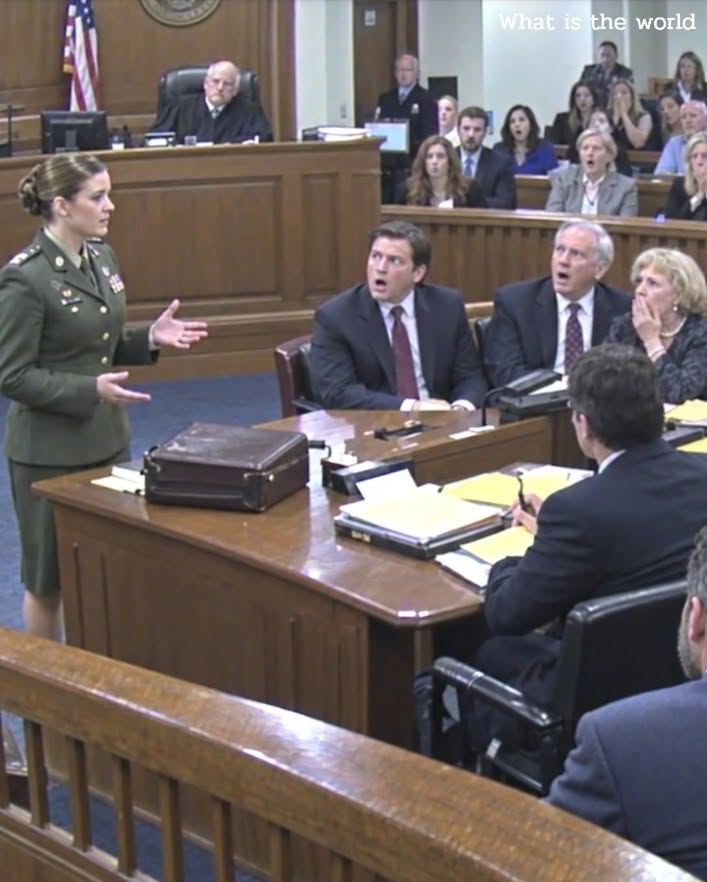
Three weeks later, those words echoed in my head as I stood before Judge Rebecca Morrison.
Preston sat behind his attorneys, perfectly groomed in a charcoal suit. Vivian and Richard Hale occupied the first row behind him, looking less like concerned parents than honored guests at a ceremony arranged in their son’s favor.
Richard leaned toward Vivian.
“She’s too broke to hire a lawyer.”
His whisper carried farther than he intended.
Vivian’s lips curved.
“She probably spent everything trying to keep up with us.”
A few people behind them shifted uncomfortably.
I did not.
Martin Voss, Preston’s lead attorney, rose from his chair.
He had spent twenty-eight years building a reputation as the man wealthy husbands hired when they wanted a divorce to feel like an acquisition.
His silver hair was immaculate.
His cuff links probably cost more than my first car.
“Your Honor,” Martin began, “this is a relatively uncomplicated matter. My client founded Hale Dynamics several years prior to the marriage. The respondent was not employed by the company, held no executive office, and made no direct financial investment.”
Direct financial investment.
An interesting choice of words.
I wrote it down.
Martin noticed.
“Mrs. Hale’s claim appears to rest primarily on the fact that she occasionally provided informal assistance to her husband.”
Occasionally.
Another interesting word.
I wrote that down too.
Martin continued for several minutes, describing me as though I had wandered through seven years of marriage carrying flowers and rearranging furniture while Preston single-handedly constructed an empire.
When he finished, Judge Morrison turned toward me.
“Mrs. Hale, your opening statement.”
I stood.
The courtroom became very still.
I had stood in rooms more intimidating than this one.
Rooms without windows.
Rooms where careers depended on a single answer.
Rooms where frightened young officers sat across from me knowing one procedural mistake might destroy everything they had worked for.
Courtroom pressure did not frighten me.
Being underestimated did not frighten me either.
In fact, I had built much of my career around it.
I buttoned my jacket.
“Your Honor, opposing counsel’s characterization of my contribution is unsupported by the documentary record and contradicted by evidence already subject to mandatory disclosure.”
Martin’s smile disappeared.
I continued.
“More importantly, several exhibits submitted by the petitioner contain material inconsistencies involving asset classification, dates of transfer, ownership percentages, and sworn financial declarations.”
No one laughed now.
Preston stared at me.
Judge Morrison lowered her glasses slightly.
“Mrs. Hale,” she said, “do you have legal training?”
“Yes, Your Honor.”
“What kind of legal training?”
Before I could answer, Martin turned toward me.
“Where did you attend law school?”
Judge Morrison looked sharply at him.
“Mr. Voss.”
“My apologies, Your Honor.”
I opened my briefcase.
The leather hinges made a soft sound that seemed strangely loud in the silence.
I removed a folder and placed it on the table.
“I’m a licensed attorney,” I said.
Vivian stopped smiling.
Richard leaned forward.
Preston blinked.
Judge Morrison studied me.
“You are currently practicing?”
“Yes, Your Honor.”
“In what capacity?”
“I serve as military counsel.”
The silence changed.
It was no longer surprise.
It was recalculation.
Martin looked at Preston.
Preston looked at me.
“What?” he whispered.
I heard him.
So did Martin.
Judge Morrison folded her hands.
“Mr. Hale, did you not know your wife was an attorney?”
Preston’s face flushed.
“I knew she worked for the military.”
Vivian spoke from behind him before anyone could stop her.
“She said she handled administrative matters.”
I turned toward her.
“I said my work involved legal administration.”
“That is not the same thing,” Vivian snapped.
“No,” I said. “It isn’t.”
Judge Morrison’s expression suggested she was trying not to react.
Martin, however, recovered quickly.
He stood.
“Your Honor, regardless of Mrs. Hale’s profession, her legal experience does not establish ownership in my client’s company.”
“Correct,” I said.
Martin glanced toward me.
I continued before he could.
“The records do.”
That earned Judge Morrison’s attention.
“Proceed.”
I lifted the first binder from my briefcase.
“Exhibit A consists of forty-three contract drafts from Hale Dynamics between 2019 and 2025.”
Martin frowned.
“I object to the characterization—”
“These are your client’s own documents,” I said.
Judge Morrison raised one hand.
“Mr. Voss, let her establish foundation.”
I nodded.
“Thank you, Your Honor.”
I opened the binder.
“Each document contains revisions made from my personal account. Some include comments from Preston requesting my legal review before execution.”
Preston leaned toward Martin and whispered urgently.
Martin ignored him.
I selected one page.
“March 14, 2021. Preston wrote, ‘Amelia, check indemnification section. Something feels wrong.’”
Another.
“September 2, 2022. ‘Please review before I send to Richard.’”
Another.
“January 18, 2023. ‘You saved us again. Their limitation clause would have exposed the entire division.’”
I looked at Preston.
“Occasional assistance.”
He looked away.
Martin stood.
“Even assuming those communications are authentic, spouses routinely assist each other.”
“I agree.”
His expression flickered.
He had expected resistance.
I gave him none.
“That is why I am not relying on them to establish formal ownership.”
“Then what exactly are you relying on?”
I reached for another folder.
“This.”
I handed a copy to the clerk.
Judge Morrison reviewed it.
Her eyebrows lifted.
Martin received his copy.
His jaw tightened.
Preston whispered, “What is that?”
Martin did not answer immediately.
Judge Morrison did.
“It appears to be a compensation memorandum.”
“It is,” I said.
“Signed by whom?”
See more on the next page

