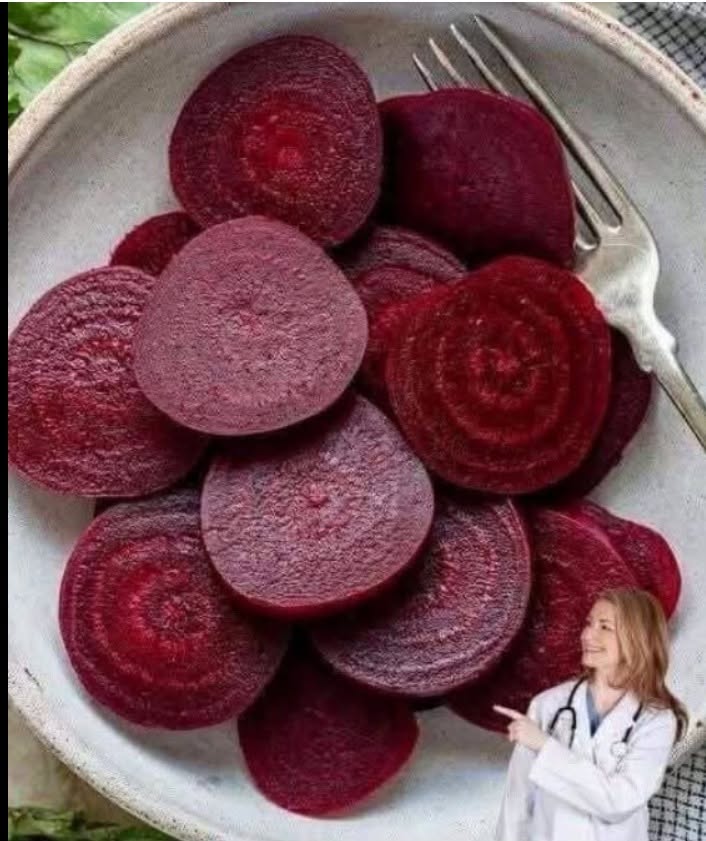
How Eating Beets Regularly Affects Your Body
Beets are one of those vegetables that people often overlook, despite their impressive nutritional profile and distinctive health-supporting properties. With their deep red color, naturally sweet flavor, and earthy taste, these root vegetables offer more than just an attractive addition to your meals.
But what actually happens to your body when you start eating beets regularly?
From supporting healthy blood circulation to promoting digestion and providing essential nutrients, beets contain several compounds that can contribute to overall wellness. Some of their potential benefits have been investigated in scientific studies, while others come from their established nutritional value.
One of the most interesting things about beets is that they contain naturally occurring dietary nitrates, fiber, vitamins, minerals, and antioxidant pigments. These substances perform different functions in the body, making beets a nutritious addition to a balanced eating pattern.
However, eating beets is not a miracle treatment, and the effects can vary depending on your overall diet, health status, portion sizes, and the way the vegetable is prepared.
Understanding what beets can realistically do for your body will help you enjoy their benefits without falling for exaggerated health claims.
1. Beets May Help Support Healthy Blood Pressure
One of the most widely studied potential benefits of beets involves their effect on blood pressure.
Beets naturally contain dietary nitrates, which your body can convert into nitric oxide through a series of biological processes.
Nitric oxide helps blood vessels relax and widen, allowing blood to flow more easily through the circulatory system.
This process is important because the diameter and flexibility of blood vessels influence blood pressure and circulation.
Research involving beetroot juice suggests that consuming nitrate-rich beet products may modestly lower systolic blood pressure in some people, including certain adults with hypertension.
Systolic blood pressure is the top number in a blood pressure reading. It measures the pressure inside your arteries when your heart contracts.
Although these findings are promising, the results of studies are not completely consistent, and much of the research has focused on concentrated beetroot juice rather than ordinary servings of whole beets.
Eating beets regularly may therefore contribute to a heart-healthy dietary pattern, but it should not replace prescribed blood pressure medication or professional medical care.
If you already have low blood pressure or take medication to lower it, speak with your healthcare professional before consuming large amounts of concentrated beetroot juice.
2. Your Blood Circulation May Benefit
Healthy circulation allows oxygen and nutrients to travel throughout the body, supporting the normal function of organs, muscles, and other tissues.
Because beets contain dietary nitrates, they have attracted attention for their possible effects on blood vessel function.
As dietary nitrate is converted into nitric oxide, the resulting changes in blood vessel relaxation may help support normal blood flow.
This does not mean that eating beets will instantly eliminate circulation problems or reverse damage to blood vessels.
Instead, beets may provide compounds that support certain processes involved in vascular health.
The overall effect depends on many factors, including cardiovascular health, physical activity, dietary habits, and individual responses.
Regular beet consumption is best understood as one part of a broader approach to maintaining cardiovascular wellness.
3. Beets Can Support Better Digestive Health
Another important benefit of eating whole beets comes from their fiber content.
Fiber is an essential component of a healthy diet because it supports normal digestive function and helps maintain regular bowel movements.
Beets contain dietary fiber that passes through the digestive system rather than being completely broken down and absorbed.
This fiber contributes to stool bulk and supports the movement of material through the intestines.
For people whose diets contain relatively little fiber, adding vegetables such as beets may help improve overall fiber intake.
Fiber also supports a healthy intestinal environment and contributes to feelings of fullness after eating.
However, eating beets alone will not necessarily resolve chronic constipation or other digestive problems. Adequate hydration, overall fiber intake, physical activity, and underlying health conditions also matter.
It is worth remembering that whole beets contain more fiber than beet juice, since much of the fiber is removed during conventional juicing.
If supporting digestive health is your main goal, eating the whole vegetable is generally more beneficial than relying exclusively on its juice.
4. Beets Provide Important Vitamins and Minerals
Beets offer a combination of nutrients that contribute to several normal functions throughout the body.
Among their notable nutrients are folate, potassium, and smaller amounts of other vitamins and minerals.
Folate Supports Normal Cell Function
Folate is a B vitamin involved in DNA synthesis and the production of new cells.
It plays an important role during periods of growth and is particularly important before and during early pregnancy because adequate folate intake helps reduce the risk of certain neural tube defects.
Eating folate-containing foods such as beets can contribute to overall dietary intake, although beets alone do not replace recommended prenatal folic acid supplementation.
Potassium Supports Muscles and Nerves
Potassium is an essential mineral involved in maintaining normal fluid balance, nerve signaling, and muscle function.
It also contributes to normal blood pressure regulation as part of a balanced diet.
Including potassium-containing vegetables such as beets can help diversify the nutrients you obtain from everyday meals.
People with certain kidney conditions or those following a medically prescribed potassium restriction should follow individualized dietary guidance.
Other Nutrients Contribute to Overall Wellness
Beets also contain smaller amounts of nutrients such as magnesium, iron, and vitamin C.
These nutrients have established roles in normal metabolism, tissue maintenance, and other bodily functions.
However, the amounts in beets should be considered as part of your entire daily diet rather than as a complete source of every nutrient your body requires.
5. Their Antioxidants Help Protect Cells
The deep red and purple colors commonly associated with beets come primarily from natural pigments known as betalains.
These pigments contribute to the vegetable’s striking appearance and have attracted scientific interest because of their antioxidant properties.
Antioxidants are substances that can help counteract certain chemical reactions involving unstable molecules called free radicals.
Excessive oxidative stress can damage cellular structures and is associated with various biological processes involved in aging and disease.
Laboratory studies suggest that betalains can demonstrate antioxidant activity, but these findings should not be interpreted as proof that eating beets prevents disease in humans.
Scientists are still studying how these compounds behave after digestion and whether their biological effects translate into meaningful long-term health outcomes.
Nevertheless, consuming a variety of colorful vegetables, including beets, is a practical way to obtain different beneficial plant compounds.
6. Beets May Support Exercise Performance
Beetroot has received considerable attention in sports nutrition because of its naturally occurring nitrates.
During physical activity, your muscles need oxygen and nutrients to produce energy and maintain movement.
Nitric oxide is involved in blood vessel regulation and other physiological processes that may influence exercise efficiency.
Some studies suggest that nitrate-rich beetroot juice can improve certain measures of exercise performance, especially during endurance-based activities.
Researchers have investigated these effects in activities such as running and cycling, where efficient oxygen use can be particularly important.
However, improvements are not guaranteed. Responses can differ depending on a person’s fitness level, the type of activity, and the amount of dietary nitrate consumed.
It is also important to distinguish between concentrated beetroot juice used in research and the amount of nitrate provided by a normal serving of cooked beets.
Eating beets regularly can be part of a nutritious diet that supports an active lifestyle, but the vegetable is not a substitute for appropriate training, adequate recovery, or balanced nutrition.
7. Beets May Help You Feel Fuller After Meals
Because whole beets contain water and fiber, they can contribute to the feeling of fullness that follows a meal.
Fiber adds volume to food and plays a role in digestive processes that influence appetite and satiety.
This can make beets a useful ingredient in meals that emphasize vegetables and overall nutritional balance.
However, eating beets does not automatically lead to weight loss, and there is no strong evidence that beets directly burn body fat.
Body weight is influenced by overall energy intake, physical activity, health conditions, medications, and many other factors.
Rather than viewing beets as a weight-loss remedy, it is more reasonable to appreciate them as a nutritious vegetable that can help make meals satisfying.
See more on the next page

