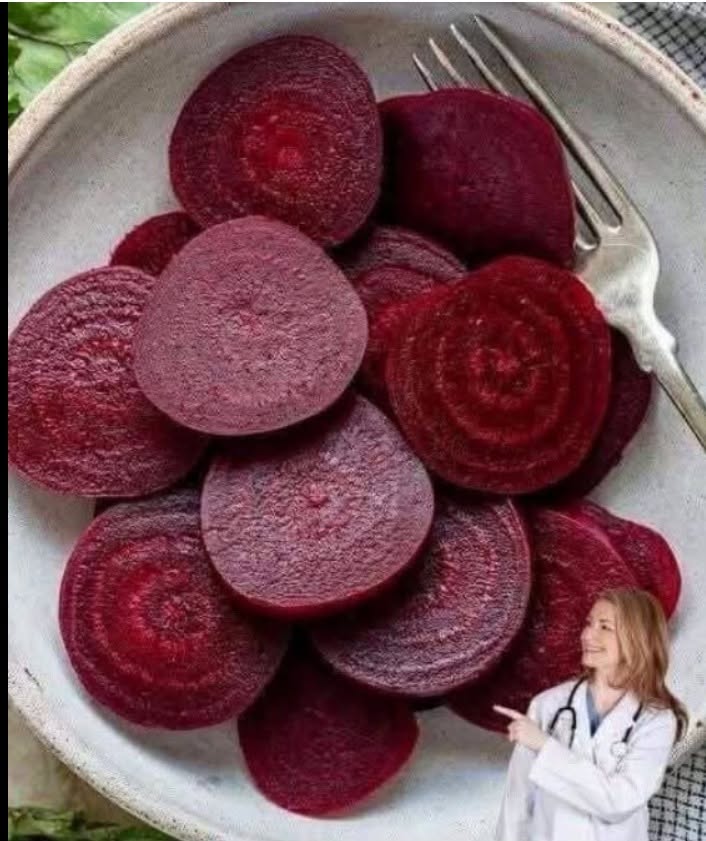
How to Include More Beets in Your Daily Diet
One of the advantages of beets is their versatility. Their earthy sweetness can complement a variety of meals, and they can be prepared in different ways without requiring complicated recipes.
Here are several straightforward ways to enjoy them:
Roasted beets: Roasting develops their natural sweetness and creates a tender texture.
Steamed beets: Steaming softens the vegetable while preserving its characteristic flavor.
Raw beet salads: Thinly sliced or grated raw beets add crunch and color.
Beet smoothies: Beets can be blended into smoothies for a naturally vibrant color and earthy flavor.
Pickled beets: Pickling creates a tangy variation that works well as a side dish.
Beet juice: Juicing provides another way to consume beet-derived nutrients, although it generally contains less fiber than the whole vegetable.
It is not necessary to use every preparation method. Choosing the versions you genuinely enjoy makes it easier to include beets consistently.
How Much Beetroot Should You Eat?
There is no universal daily requirement for beetroot consumption.
Some dietary guidance suggests that a serving of cooked beets can be incorporated into a balanced meal, but the ideal portion depends on individual nutritional needs and preferences.
For most people, moderate servings of whole beets are a reasonable way to enjoy their nutritional benefits.
Larger quantities are not automatically more beneficial, particularly when consuming concentrated beet juice or when medical conditions require dietary restrictions.
The most important principle is dietary variety. Beets can complement other vegetables rather than replacing them.
Frequently Asked Questions About Eating Beets
Is It Healthy to Eat Beets Every Day?
For most healthy people, eating beets daily can be part of a balanced diet. They supply fiber, folate, potassium, and useful plant compounds.
However, daily consumption is not essential, and people with certain medical conditions may need individualized guidance.
Can Eating Beets Lower Blood Pressure?
Studies suggest that nitrate-rich beetroot juice may modestly reduce blood pressure in some individuals.
The effects of ordinary whole-beet consumption are less precisely established, and beets should not replace prescribed treatment for hypertension.
Are Beets Good for Your Liver?
Beets contain nutrients and antioxidant compounds that contribute to a nutritious eating pattern.
However, there is insufficient evidence that eating beets detoxifies the liver, reverses liver disease, or eliminates harmful substances from the body.
The liver already performs essential metabolic and detoxification functions without requiring a specific food-based cleanse.
Can Beets Help You Lose Weight?
Whole beets contain fiber and water, which may contribute to fullness after meals.
However, they do not directly burn fat or guarantee weight loss. Sustainable weight management depends on overall dietary habits and other lifestyle and medical factors.
Do Beets Increase Energy?
Beets provide carbohydrates and other nutrients, while their dietary nitrates have been studied for potential effects on exercise efficiency.
These properties do not mean that eating beets will immediately increase energy levels or treat unexplained fatigue.
Why Does Urine Sometimes Turn Red After Eating Beets?
Natural beet pigments can occasionally pass into urine, producing a temporary pink or reddish color known as beeturia.
This is usually harmless, but persistent or unexplained red urine should be medically evaluated rather than automatically attributed to food.
Final Thoughts: What Regular Beet Consumption Really Means for Your Health
Eating beets regularly can be a nutritious habit with several potential advantages.
These colorful root vegetables provide dietary fiber, folate, potassium, and plant compounds that contribute to normal bodily functions. Their naturally occurring nitrates may also support blood vessel function and modestly influence blood pressure in some individuals.
Whole beets can contribute to digestive health, while beetroot juice has been investigated for possible benefits involving endurance exercise and cardiovascular measurements.
However, not every proposed benefit has been firmly established. Beets do not cure chronic diseases, replace medication, automatically improve memory, or guarantee weight loss.
Their greatest value comes from being part of a varied, nutritious eating pattern rather than serving as a single solution for overall health.
Whether you enjoy them roasted, steamed, raw, or occasionally as juice, beets offer a flavorful way to add more vegetables and important nutrients to your meals.
The bottom line is simple: Regularly eating beets may support several aspects of health, but consistency, moderation, and overall dietary balance matter more than expecting dramatic changes from any single food.

